

How to Prevent Chafing When Running: What to Wear and What to Do
Shop the gear in this story
shower sting
 1 / 8
what helps
2 / 83 / 8snug fit in
4 / 85 / 8light kit

 6 / 8
protect it
7 / 8right fabric
8 / 8The Short Version
- Chafing is skin damage from repeated rubbing, and sweat makes it worse.
- Most of it can be prevented with three things: moisture-wicking fabric, a close fit, and a lubricant such as petroleum jelly or an anti-chafe balm before you start.
- If it happens, wash gently with mild soap and warm water, pat dry and protect it. See a doctor if it is not better after a week or looks infected.
You finish a 25km long run feeling good, step into the shower, and the water hits. That sharp sting tells you exactly where your kit rubbed.
Chafing is common, and in Singapore's humidity it can find you on almost any long run. The good news is that it is largely preventable. Here is why it happens, what to wear, what to put on your skin, and what to do if it gets you anyway.
Chafing at a Glance
| Where it happens | What usually causes it | What helps |
|---|---|---|
| Inner thighs | Skin rubbing on skin | Short tights or shorts with a liner, plus a lubricant |
| Nipples | A shirt sliding back and forth | A snug, wicking top; plasters or nipple covers |
| Underarms | Sweat and skin-on-skin contact | Antiperspirant, a lubricant, a top that does not rub at the armholes |
| Under bra bands and straps | Fabric moving on wet skin | A well-fitting sports bra, a lubricant on the band line |
Why Chafing Happens
Cleveland Clinic describes chafing as skin irritation from your skin rubbing against something else, and says friction is always the root cause. It commonly happens where skin rubs against skin, especially in warm, moist places such as the inner thighs, groin, armpits and chest.
Moisture makes it much worse. It makes it easier for materials to slip and rub against your skin, and it makes your skin easier to damage. That is why a humid long run is the classic setting.
Jogger's Nipple
Nipple chafing is common among high-mileage runners. Cleveland Clinic cites a study in which almost 36% of runners covering more than 65km a week had it. Each stride shifts your shirt slightly over your chest, and over thousands of strides that adds up.
What to Wear
- Moisture-Wicking Fabric: The American Academy of Dermatology advises avoiding cotton, because it soaks up sweat and moisture, which can lead to friction and chafing.
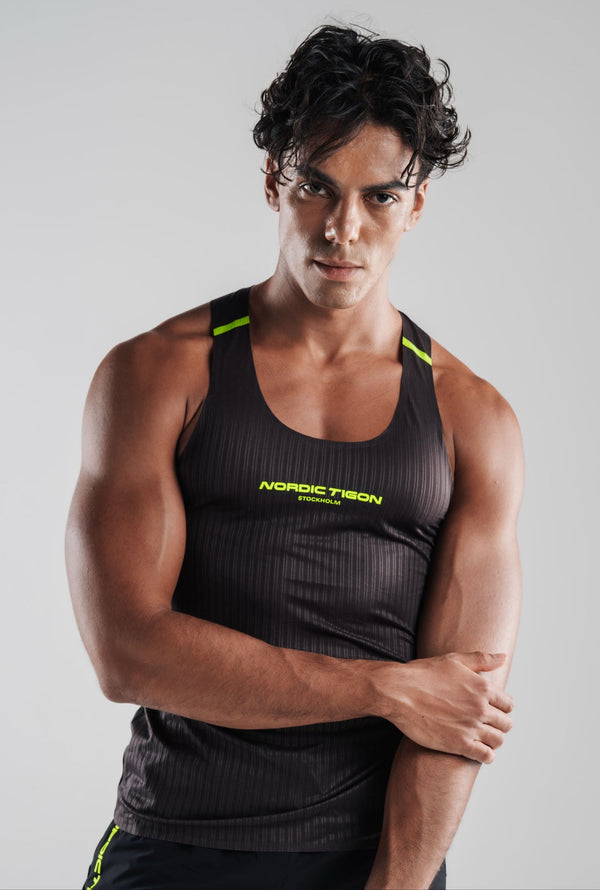
- A Close Fit: Cleveland Clinic notes that tighter-fitting clothes are less likely to move and rub, and that a shirt that fits well, even a bit snug, can reduce nipple chafing.
- Cover the Problem Areas: Clothing can create a barrier against skin-on-skin rubbing. For the inner thighs, that means short tights or shorts with a supportive liner.
- Check Seams and Tags: If a seam or logo feels wrong when you put it on, it will not feel better after an hour.
Kit That Helps
| Piece | What the description says |
|---|---|
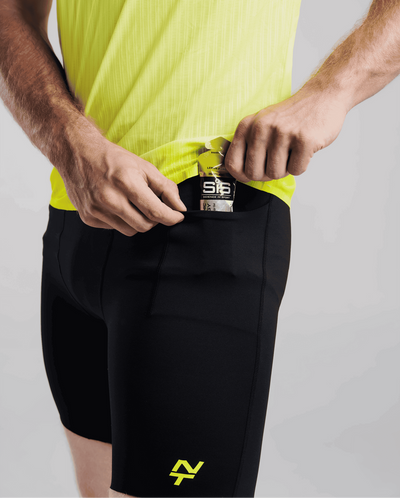
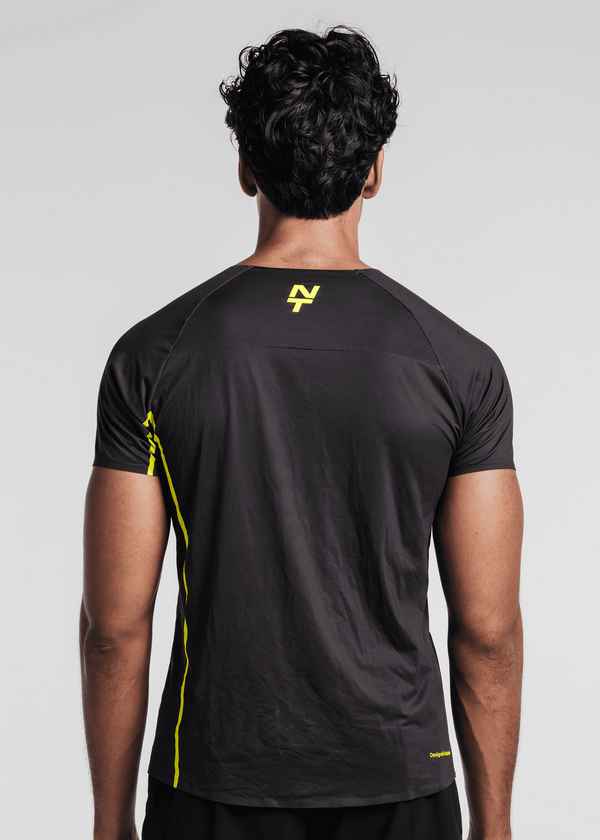
| Men's Velocity Tights | 5-inch, close fit with light compression; pockets for gels and a phone with minimal bounce |
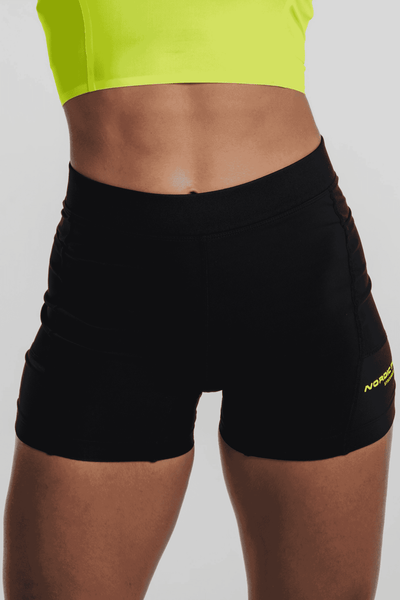
| Women's Velocity Tights | 3-inch, close fit with light compression; 100g |
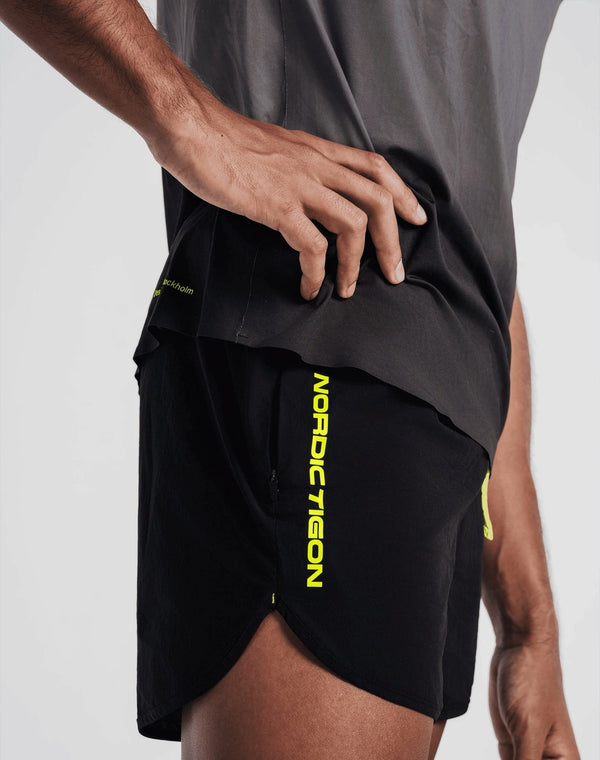
| Men's Velocity Flow Shorts | Supportive soft inner lining; zip back and side pockets |
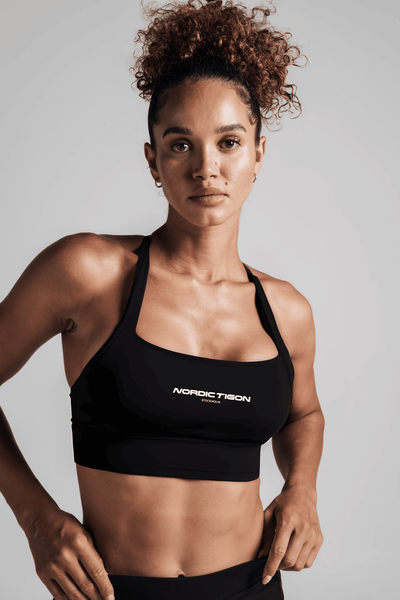
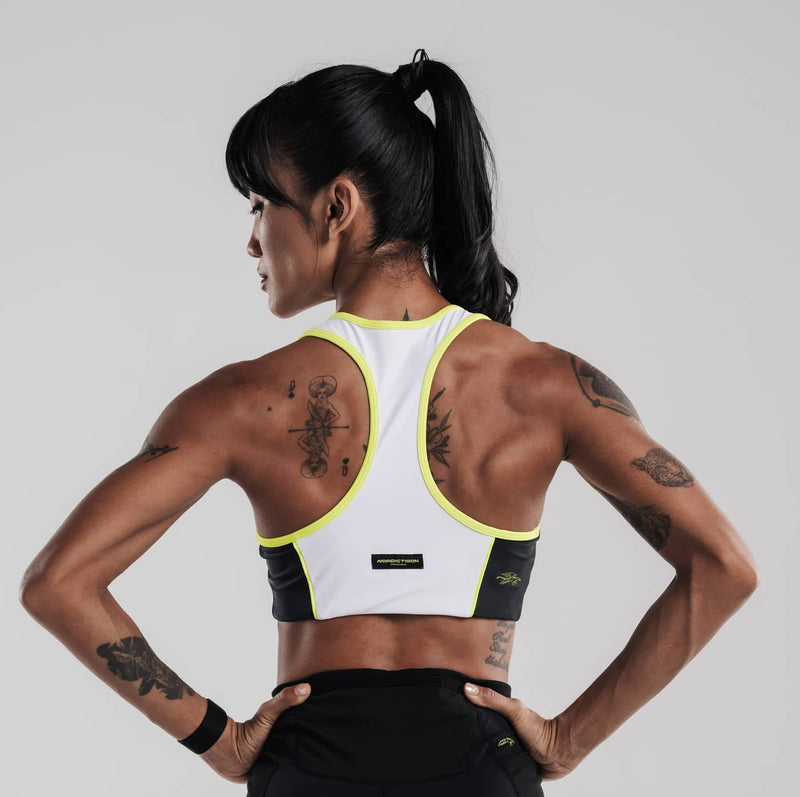
| Women's Velocity Power Bra | Supportive cut with balanced compression; high-stretch fabric |
Pockets that hold your phone and gels close to your body also stop them bouncing and rubbing as you run.
Never wear brand-new kit for the first time on race day.
What to Put on Your Skin
- A Lubricant: Cleveland Clinic says a dab of petroleum jelly can guard against chafing, as can lubricating gels, creams, balms and powders. Apply anti-chafe products before you start.
- Antiperspirant: Reducing underarm sweat can help limit chafing there.
- Plasters for Nipples: A simple plaster or a product made for the purpose puts a barrier between your nipples and your shirt. Make sure it is meant to go on skin.
Test Before Race Day
Wear any new shorts, singlet or sports bra on at least two long runs before you race in it. That is when you find out where it rubs, while there is still time to change it.
If Chafing Gets You
- Clean It Gently: Use mild soap and warm water.
- Pat It Dry: Do not rub.
- Protect It: Apply petroleum jelly or an unscented moisturiser, and cover it with a plaster if clothing rubs there.
- Give It Time: Wear loose, breathable clothing over it. Cleveland Clinic says chafed skin should heal in a few days to a week with proper care.
See a doctor if it does not improve after a week of home care, causes severe pain or itching, or shows signs of infection such as pus, a bad smell or warmth.
Run Chafe-Free with Nordic Tigon on ATHLO+
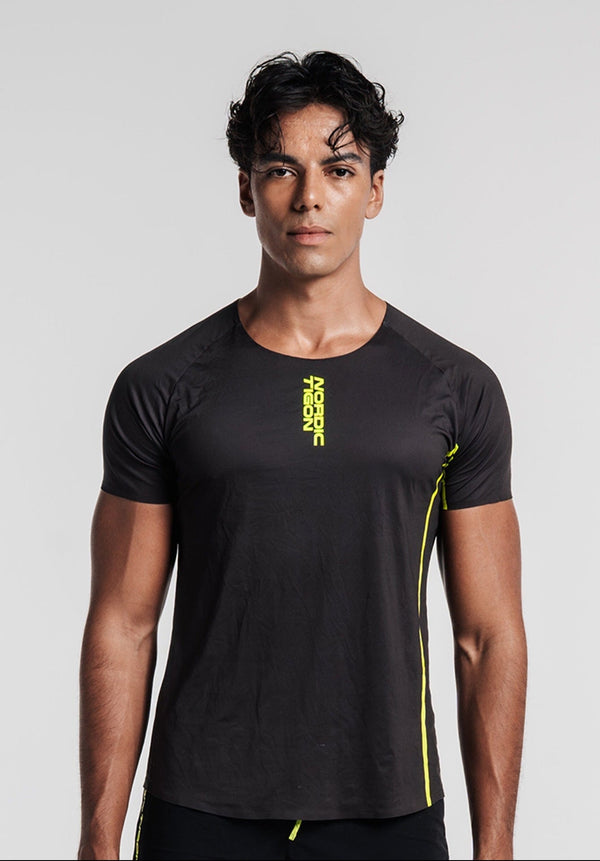
Browse the full Nordic Tigon range on ATHLO+ for close-fitting, lightweight running kit.
Ready to choose the right fabric? Read Moisture-Wicking Fabrics Explained next.
Sources
- Cleveland Clinic. Chafing.
- Cleveland Clinic. 8 Tips To Prevent Chafing.
- Cleveland Clinic. Preventing Nipple Chafing (Jogger's Nipple).
- American Academy of Dermatology. How to prevent and treat blisters.
- Product details from the Nordic Tigon pages on ATHLO+, 3 November 2026.
Shop Nordic Tigon



More from News
 Apparel
Running Clothes for Hot Weather: What to Wear in Singapore’s HeatThe Short Version Singapore's humidity often tops 90% just before sunrise, so you will sweat heavily and your...Read →
 FORGED by ReFormd
Lab Testing vs. Your Watch: How Accurate Are Wearable VO₂ Max Estimates?The Short Version Across 14 studies, watches that estimate VO2 max from exercise were close on average, but...Read →
 Garmin
Heart Rate Zones Explained: How to Train Smarter With Your Garmin Sports WatchStop turning easy runs into hard workouts. Learn how heart rate training zones work, how to set them...Read →