

Percussive Therapy 101: What a Massage Gun Actually Does (and How to Use It)
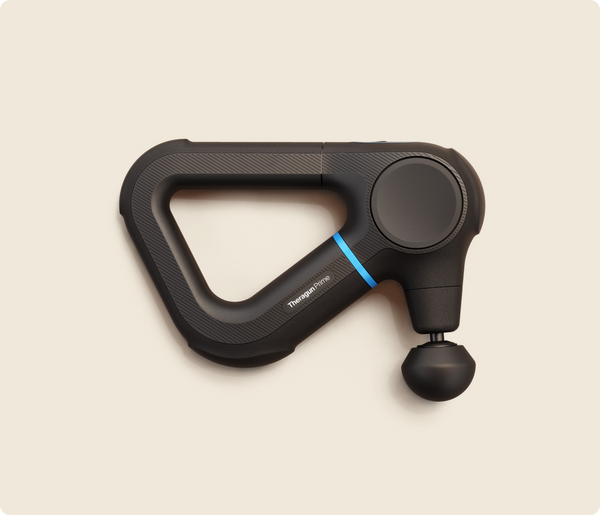
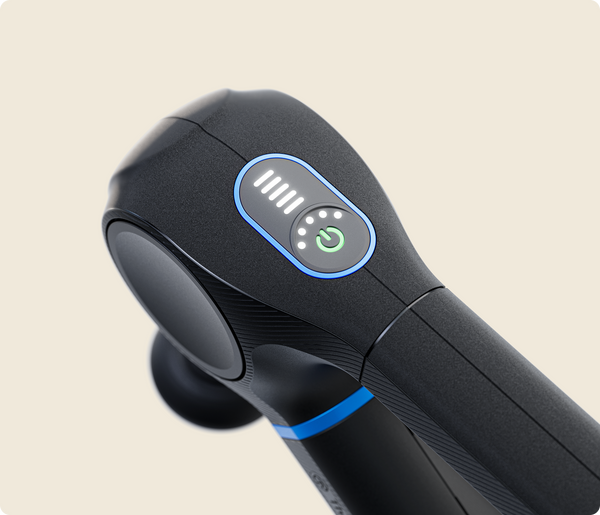
Shop the gear in this story
actually does
 1 / 72 / 7
what it doesn't
3 / 74 / 7don't lean on it
5 / 7to compare
 6 / 7
The Short Version
- A massage gun drives short, rapid pulses into a muscle. You "float" it over the skin rather than pressing hard.
- Research links a single session to short-term gains in flexibility and strength, and to better jump recovery after hard exercise.
- It has not clearly been shown to ease soreness or bring strength back faster. Treat it as a useful tool, not a cure.
Massage guns are everywhere now: in gym bags, on the start line at Marina Bay, on the coffee table after a long run. The buzzing feels good. But what is actually happening under the skin, and what can you realistically expect from one?
Here is what percussive therapy is, what the research supports, what it does not, and how to get the most out of yours.

Photo: SportPlus.sg / Isis Ang
Percussive Therapy at a Glance
| What the research found | What it has not shown |
|---|---|
| Short-term gains in strength, explosive strength and flexibility after one session | Clear relief of next-day soreness |
| Better jump recovery after hard exercise | Faster recovery of maximum strength |
| Less back and shoulder pain after repeated sessions | A better warm-up than a dynamic warm-up alone |
What Is Percussive Therapy?
Percussive therapy goes back to the 1950s, when Robert Fulford introduced a percussion vibrator for deep-tissue osteopathic treatment. The first commercial massage gun arrived in 2008, and the devices have spread fast since.
A 2023 review in the International Journal of Sports Physical Therapy describes the technique as "floating" the device over the skin, delivering vibration and rapid pulses in short bursts to the muscle or tendon. Three characteristics define the dose: frequency, amplitude (measured in millimetres) and torque. The effect mimics tapotement, the rhythmic cupped-hand strokes of traditional massage.
What the Research Supports
- A Short-Term Boost: The 2023 review of 13 studies found a single session linked to short-term increases in muscle strength, explosive strength and flexibility. All 13 studies had limitations in quality or reporting.
- Bouncing Back: A 2026 meta-analysis of 12 randomised trials found massage guns improved recovery of jump performance and lowered a blood marker of muscle damage after hard exercise, though the certainty of that evidence was low.
- Ongoing Pain: In the 2023 review, it took repeated sessions, not one, to reduce back and shoulder pain.
A useful tool, not a cure.
What It Has Not Shown
The same 2026 meta-analysis found no clear benefit for next-day soreness or for the recovery of maximum strength. And in a 2025 study of 16 trained athletes, adding a massage gun to a dynamic warm-up slowed their 20m sprint and lowered their jump compared with the warm-up alone.

Photo: SportPlus.sg / Isis Ang
How to Get the Most Out of Yours
- Float It: Let the device do the work and glide it over the muscle rather than leaning your weight into it.
- After Training: This is where the evidence for recovery is. Work through the big muscles you used: calves, quads, hamstrings, glutes.
- Before Fast Sessions: Keep it brief, and do not let it replace your dynamic warm-up.
- Do Not Overdo It: The 2026 analysis linked longer treatments to higher soreness scores, and its authors warn that its dose findings are preliminary. Start with a minute or two per muscle.
- Stay on Muscle: Keep it off bones, joints, your neck and head, and anything injured. Our guide to massage gun mistakes covers the no-go zones.

Photo: SportPlus.sg / Isis Ang
Find Your Massage Gun on ATHLO+
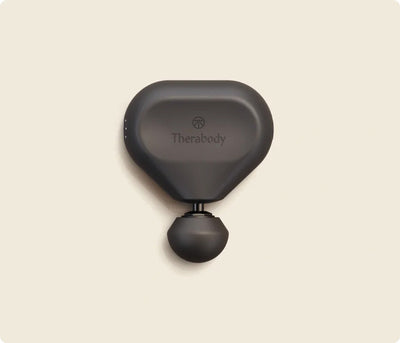
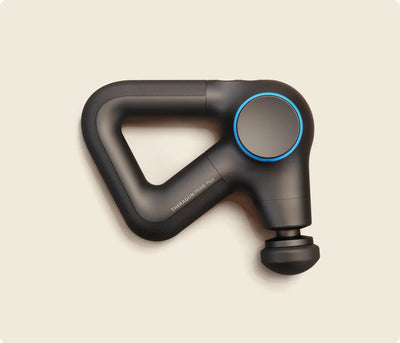
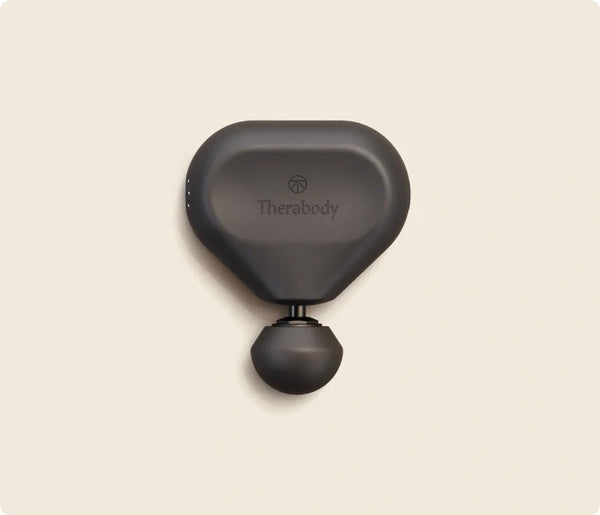
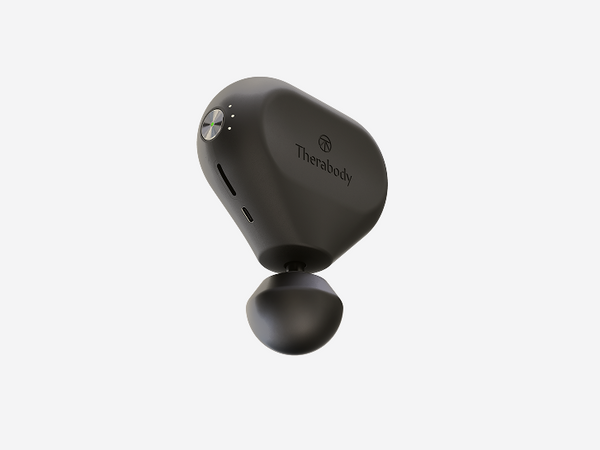
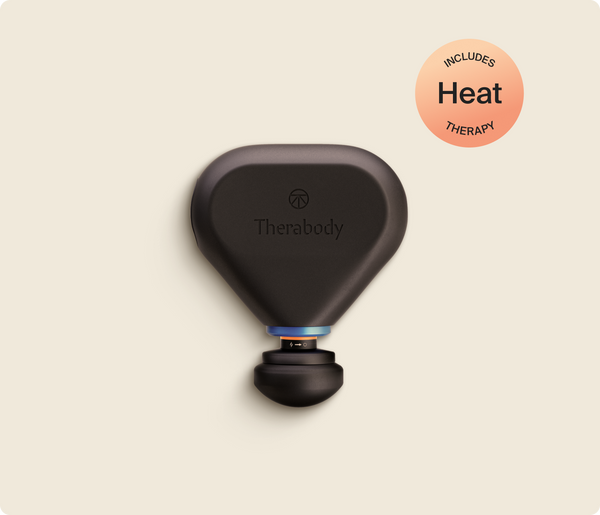
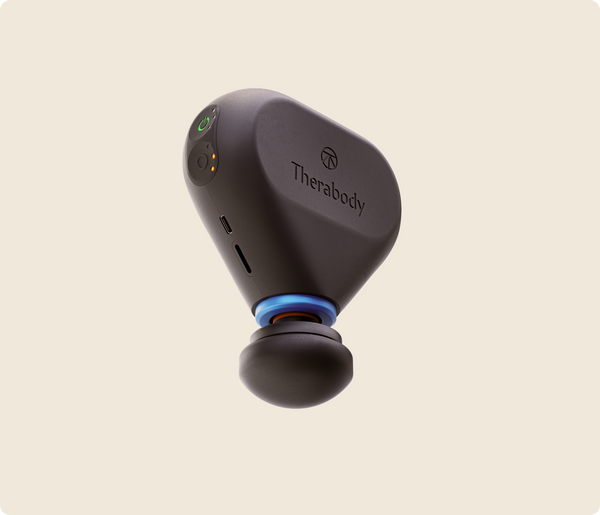
ATHLO+ stocks the Therabody range. The Theragun mini (3rd Generation) weighs 0.41kg, comes with three attachment heads and three speed settings, and runs up to 180 minutes per charge. The Theragun Prime Plus adds a heated attachment. Compare them all on the Therabody page.
Ready to put it to work? Read our guide to using a massage gun before and after a workout next.
Sources
- Sams L et al. The Effect of Percussive Therapy on Musculoskeletal Performance and Experiences of Pain. International Journal of Sports Physical Therapy, 2023.
- Effects of percussive therapy dosages on recovery from acute exercise-induced muscle damage: a systematic review and meta-analysis. Chiropractic & Manual Therapies, 2026.
- Does Massage Gun or Foam Roller Use During a Warm-Up Improve Performance in Trained Athletes? Sports, 2025.
- Product details from the Theragun pages on ATHLO+, 2 November 2026.
Shop Therabody
More from News
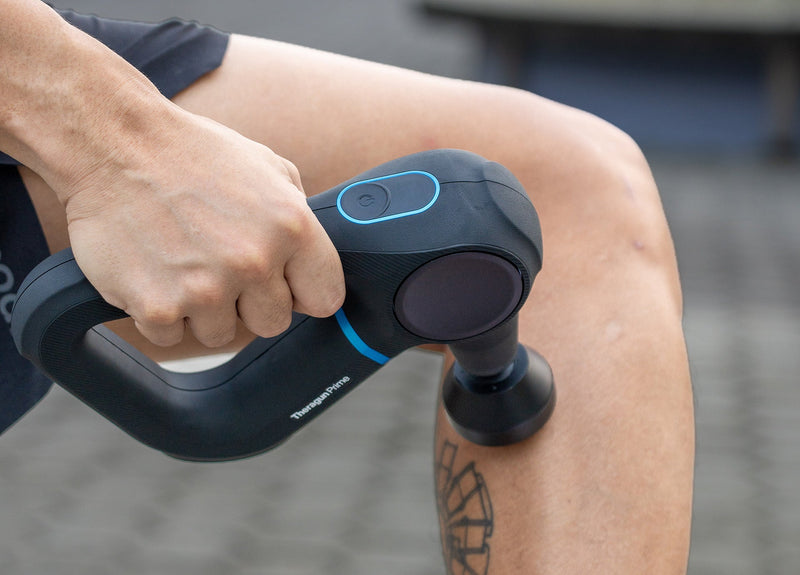 Massage Gun
 vs Foam Roller: Which Is Better for Muscle Recovery?Massage gun vs foam roller: which recovery tool is right for you? Compare localized percussive therapy against broad...Read →
 AporeNaturals
Magnesium for Muscle Recovery: What the Science Says (and Why Athletes Need More)Does magnesium speed muscle recovery? Discover how this essential mineral eases cramps, supports deep sleep, and why athletes...Read →
 Ice Baths
Cold Plunge Before or After Training? How to Time It for Strength vs EnduranceShould you cold plunge before or after a workout? Discover the exact science of cold plunge timing to...Read →