

Ice Baths for Athletes: Benefits, Risks, and How Cold Is Cold Enough?
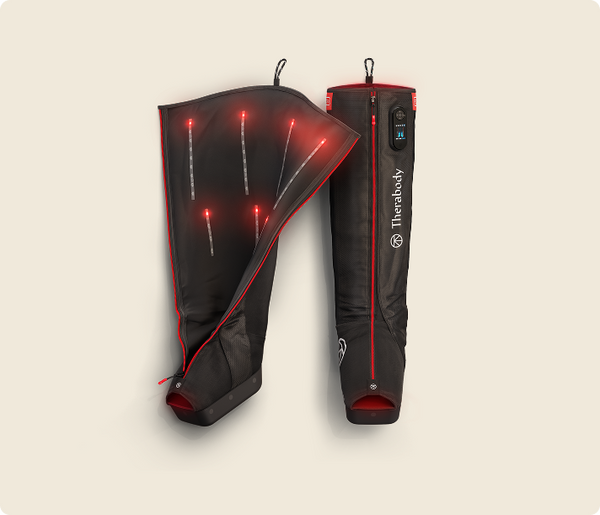
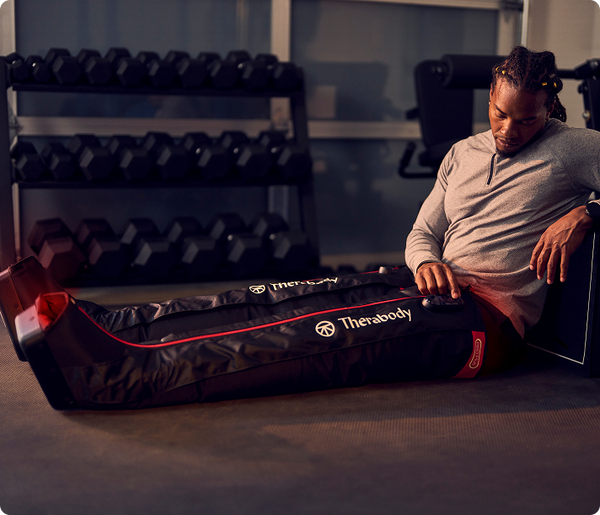
Shop the gear in this story
how cold?
 1 / 7
for your legs
2 / 7the wall at Shelter
3 / 74 / 7the right session
5 / 7not harmless
6 / 7at Shelter
7 / 7The Short Version
- After a hard session, an ice bath can ease next-day soreness and help your power come back faster.
- Research doses sit around 5 to 20 minutes in water of about 8 to 15°C. Shelter suggests 1 to 5 minutes, which is a sensible place to start.
- Keep ice baths away from strength sessions you want to build muscle from. Over 12 weeks, regular plunges after lifting meant smaller gains.
You finish a Saturday long run in 30-degree heat, legs heavy, shirt soaked, and someone in the group says the magic words: ice bath. These days you do not need a wheelie bin full of ice: there is a cold plunge in the middle of the CBD.
Ice baths have gone from elite training camps to weekend habit, and the claims have grown with them. Here is what the research actually supports, how cold and how long to go, and the one situation where you should skip the plunge.

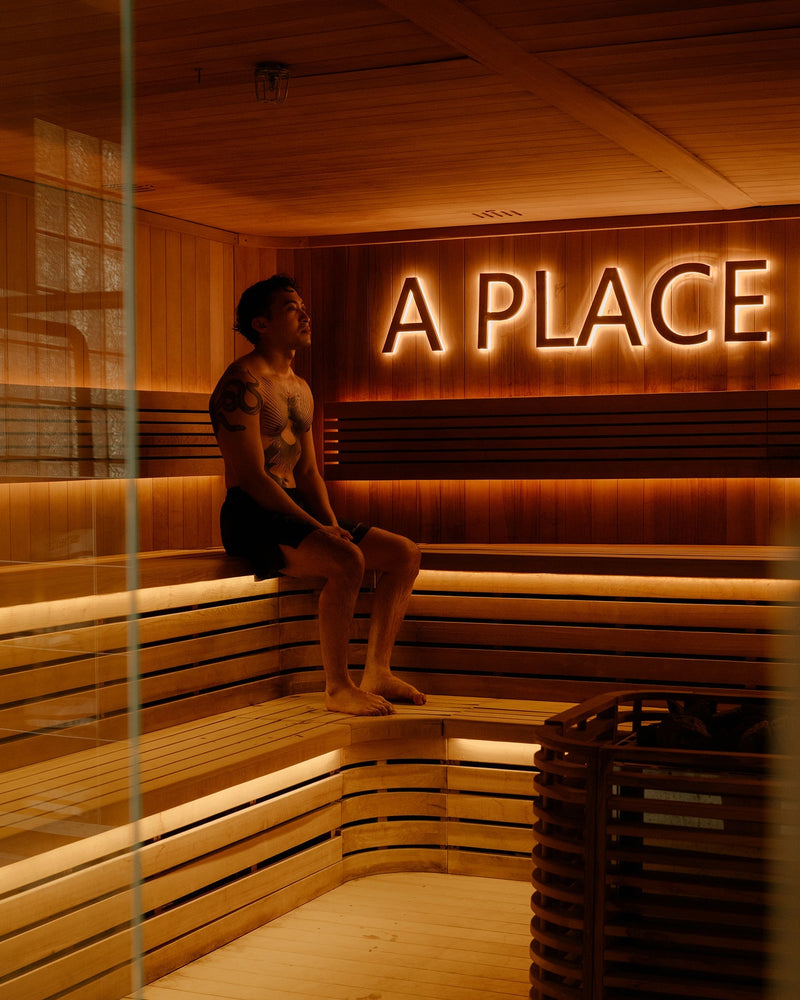
Photo: SportPlus.sg / Aldrich Goh
Ice Baths at a Glance
| Question | What the research found |
|---|---|
| Typical dose in studies | About 5 to 20 minutes at about 8 to 15°C |
| Soreness 24 hours after a hard session | Lower than resting passively |
| Muscular power the next day | Recovers better |
| Strength the next day | No clear benefit |
| After every strength session for 12 weeks | Smaller gains in strength and muscle |
What an Ice Bath Actually Does for You
The strongest evidence comes from a 2022 review in Sports Medicine that pooled 52 studies comparing cold water immersion with simply resting after exercise. After high-intensity exercise, cold water helped in four ways at the 24-hour mark:
- Less Soreness: People reported less muscle soreness the next day.
- Power Back Sooner: Muscular power recovered better.
- Feeling Fresher: People felt more recovered.
- Lower Muscle Damage Markers: Blood creatine kinase, a sign of muscle damage, was lower.
What it did not do is bring strength back faster. So an ice bath is a good tool when you have to back up a hard session with another one tomorrow, and less useful when you are simply sore and resting anyway.
How Cold, and How Long?
What the Studies Used
Most research protocols put people in water of about 8 to 15°C, up to the waist or chest, for roughly 5 to 20 minutes. The same 2022 review found that shorter, colder dips were linked with the biggest effects on muscle damage markers, so more time in the tub is not automatically better.
Start Short
Shelter's own guide on the wall at Raffles Link suggests 1 to 5 minutes in the ice bath. If you are new to it, start at the short end and let your breathing settle before you add time.
More time in the tub is not automatically better.
The Trade-Off: Strength Days
Here is where timing matters. In a 2015 study in The Journal of Physiology, 21 active men lifted twice a week for 12 weeks, finishing each session with either 10 minutes of cold water immersion or an active cool-down. Strength and muscle mass went up more in the active cool-down group.
Endurance work looks different. A 2021 review of the research found that cold water after resistance training reduced its gains, while aerobic performance seemed unaffected. Its suggestion is to use cold water during competition or heavy training blocks, and to avoid it after sessions aimed at building strength or muscle.
- After Long Runs, Rides and Intervals: A good time to plunge.
- During Race Weeks and Back-to-Back Days: A good time to plunge.
- After a Heavy Leg Day in a Strength Block: Skip it, or save the plunge for another day.
Stay Safe in the Cold
Cold water is not harmless. A 2017 review in Experimental Physiology examined cold water immersion as a cause of drowning, cardiac arrest and hypothermia, as well as a recovery tool. Shelter's sign carries its own warning: prolonged exposure to cold and heat can lead to hypothermia, dehydration, dizziness and nausea, and you should tell the staff if you feel unwell.
- Check First: If you have a heart condition or high blood pressure, speak to your doctor before you start.
- Never Alone: Plunge where someone can see you, not alone in open water or an unsupervised tub at home.
Try It at Shelter on ATHLO+
Shelter is a recovery club built around sauna and ice baths at 1 Raffles Link #01-01, open daily from 7am to 10pm. It is beginner-friendly, towels are provided, and whether you need to book depends on your membership or pass, so message Shelter and they will point you to the right option. For recovery at home between visits, browse the Recovery collection.
Ready to add heat to the cold? Read our guide to contrast therapy next.
Sources
- Moore E et al. Impact of Cold-Water Immersion Compared with Passive Recovery Following a Single Bout of Strenuous Exercise. Sports Medicine, 2022.
- Roberts LA et al. Post-exercise cold water immersion attenuates acute anabolic signalling and long-term adaptations in muscle to strength training. The Journal of Physiology, 2015.
- Ihsan M et al. Adaptations to Post-exercise Cold Water Immersion: Friend, Foe, or Futile? Frontiers in Sports and Active Living, 2021.
- Tipton MJ et al. Cold water immersion: kill or cure? Experimental Physiology, 2017.
- Shelter's partner page on ATHLO+, and the Heat Contrast Therapy sign at Shelter, Raffles Link, read 2 November 2026.
Shop Recovery
More from Learn
 Ice Baths
Contrast Therapy for Athletes: Does Alternating Hot and Cold Actually Work?Does alternating between sauna and ice bath speed recovery? Discover the science of contrast therapy recovery, proven protocols,...Read →
 Recovery
Sauna for Endurance: What Heat Training Can Do for Your Next RaceSauna isn't just for relaxation. Learn the science of post-workout heat exposure, how it expands plasma volume, builds...Read →
 Recovery
11.11 Sale Singapore 2026: Therabody, Running and Recovery DealsWhen the ATHLO+ 11.11 sale starts, what is on sale, the bundles and how members get in early....Read →