

Building a Weekly Recovery Routine: How to Structure Heat, Cold, and Rest Like a Pro
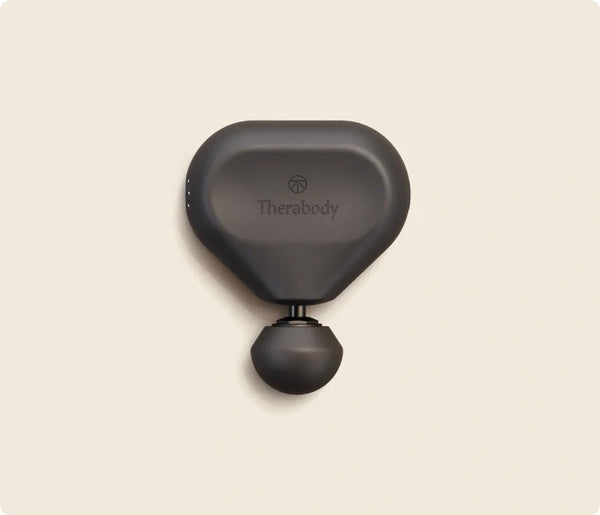
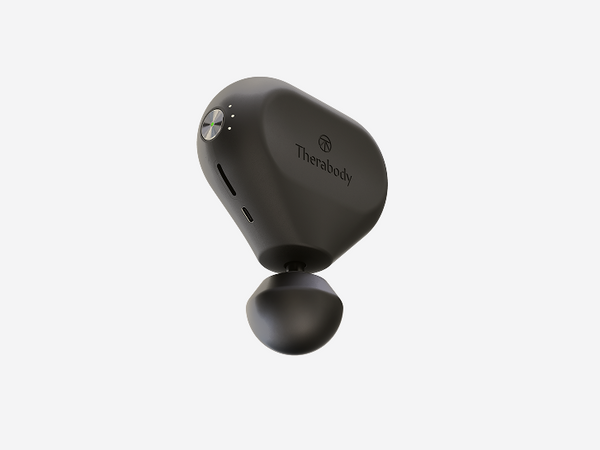
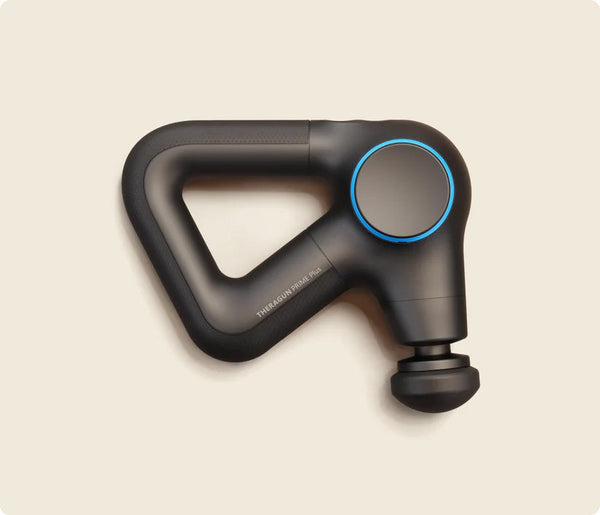
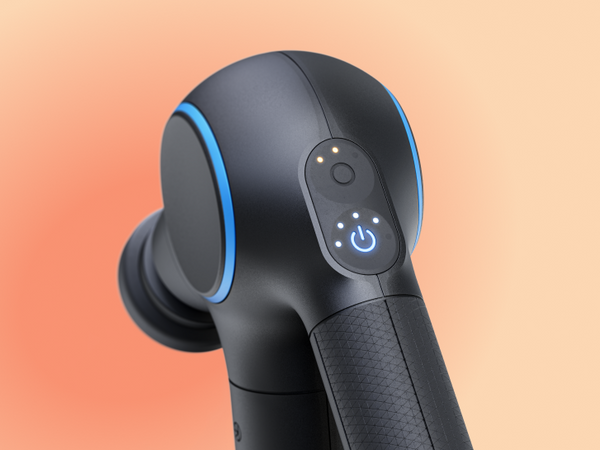
Shop the gear in this story
recovery routine
 1 / 62 / 6
to the day
3 / 64 / 6around training
5 / 6a training session
6 / 6The Short Version
- Sleep comes first. Habitually sleeping under seven hours a night is linked to more respiratory infections, and athletes often fall short.
- Heat and cold are tools for specific days: cold after hard endurance sessions, heat on easy days, and no cold straight after strength work.
- A weekly routine beats a panic ice bath the night before a race. Book it like a training session.
Most of us are disciplined about training. We know our interval paces, our long-run distance and what is on the plan for Thursday. Recovery is a different story: a few minutes with a foam roller in front of the TV, or a sudden ice bath when a hamstring starts to grumble.
Recovery works better as a habit than as an emergency. Here is how to build heat, cold and rest into your week so they support your training instead of fighting it.

Photo: SportPlus.sg / Aldrich Goh
Your Recovery Tools at a Glance
| Tool | When to use it | What the research says |
|---|---|---|
| Sleep | Every night | Under 7 hours a night is linked to more respiratory infections; needs vary by person |
| Ice bath | After hard endurance sessions | Less next-day soreness and better power recovery; reduces gains if used after strength training |
| Contrast (hot and cold) | After long runs, or on rest days | Less soreness and strength loss than resting; not clearly better than other methods |
| Sauna | After lighter training days | Small studies show plasma volume and endurance gains |
The Foundation: Sleep, Food and Fluids
No recovery club can outwork a short night. A 2021 expert consensus on sleep and athletes found that athletes often sleep less than seven hours a night, and that in the wider population, habitually sleeping under seven hours makes people more susceptible to respiratory infections.
- Sleep: The same consensus says a single target such as 7 to 9 hours is unlikely to suit everyone, and recommends working from your own sense of how much you need. If you wake up tired, start there.
- Fluids: Replace what you sweat out, not more. Our sweat rate guide shows you how to find your number.
- Fuel: Hard sessions need carbohydrate. Our guide to carbs per hour covers the long days.
Matching Heat and Cold to Your Training
After Hard Endurance Days
This is where cold water earns its place. A 2022 review of 52 studies found that after high-intensity exercise, cold water immersion improved next-day soreness, muscular power and how recovered people felt.
Around Strength Sessions
Keep the cold away. In a 12-week study, men who sat in cold water after every lifting session gained less strength and muscle than those who did an active cool-down. Plunge on other days.
On Easy and Rest Days
Heat fits here, straight after a lighter session. In a small study of six runners, about 31 minutes in a sauna after training, about 13 times over three weeks, lifted their run to exhaustion by 32% and their plasma volume by 7.1%.
Recovery works better as a habit than as an emergency.

Photo: SportPlus.sg / Isis Ang
A Sample Week for a Runner Who Lifts
This is a template to adapt, not a prescription. Swap the days around your own plan, and keep the strength-day rule.
| Day | Training | Recovery |
|---|---|---|
| Monday | Easy run | Mobility at home and an early night |
| Tuesday | Track intervals | Ice bath, if Wednesday is also hard |
| Wednesday | Lower-body strength | No cold today; easy walk |
| Thursday | Tempo run | Contrast session: heat then ice bath, 2 to 3 rounds |
| Friday | Rest or easy spin | Sauna, with fluids |
| Saturday | Long run | Ice bath after the run |
| Sunday | Rest | Sleep in, eat well, see friends |
Make It Social
Training is easy to stick to because it is social: your run club at 6am, your training partner at the gym. Recovery can work the same way. Book a weekly session with a friend from your club and it stops being a chore you skip.
Build Your Routine at Shelter on ATHLO+
Shelter is a recovery club built around sauna and ice baths at 1 Raffles Link #01-01, open daily from 7am to 10pm, with a second club due to open in Tiong Bahru in Q4 2026. Its recommended routine is 5 to 15 minutes of heat, 1 to 5 minutes in the ice bath, two or three rounds, then 5 to 10 minutes to relax and hydrate. Whether you need to book depends on your membership or pass, so message Shelter and they will point you to the right option. For recovery at home, the gear below is on ATHLO+.
Ready to get your timing right? Read Cold Plunge Before or After Training? next.
Sources
- Walsh NP et al. Sleep and the athlete: narrative review and 2021 expert consensus recommendations. British Journal of Sports Medicine, 2021.
- Moore E et al. Impact of Cold-Water Immersion Compared with Passive Recovery Following a Single Bout of Strenuous Exercise. Sports Medicine, 2022.
- Roberts LA et al. Post-exercise cold water immersion attenuates acute anabolic signalling and long-term adaptations in muscle to strength training. The Journal of Physiology, 2015.
- Bieuzen F, Bleakley CM, Costello JT. Contrast Water Therapy and Exercise Induced Muscle Damage. PLoS One, 2013.
- Scoon GS et al. Effect of post-exercise sauna bathing on the endurance performance of competitive male runners. Journal of Science and Medicine in Sport, 2007.
- Shelter's partner page on ATHLO+, and the Heat Contrast Therapy sign at Shelter, Raffles Link, read 2 November 2026.
Shop this story
More from News
 Ice Baths
Cold Plunge Before or After Training? How to Time It for Strength vs EnduranceShould you cold plunge before or after a workout? Discover the exact science of cold plunge timing to...Read →
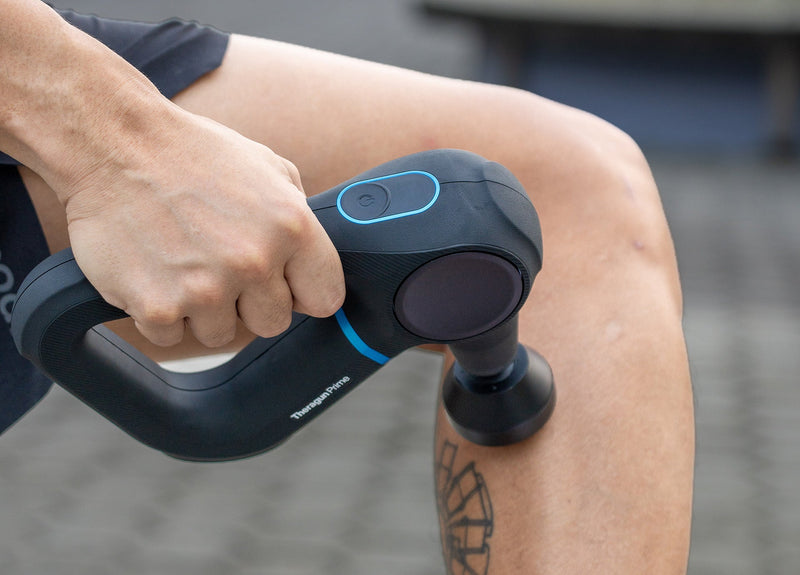 Massage Gun
 vs Foam Roller: Which Is Better for Muscle Recovery?Massage gun vs foam roller: which recovery tool is right for you? Compare localized percussive therapy against broad...Read →
 AporeNaturals
Magnesium for Muscle Recovery: What the Science Says (and Why Athletes Need More)Does magnesium speed muscle recovery? Discover how this essential mineral eases cramps, supports deep sleep, and why athletes...Read →