

How to Fuel a Long Run: The Complete Runner’s Guide to Energy Gels and Carbs
Shop the gear in this story
a long run
 1 / 82 / 8
set your carbs
3 / 84 / 8to feel empty
5 / 8like your legs
6 / 8and a flask
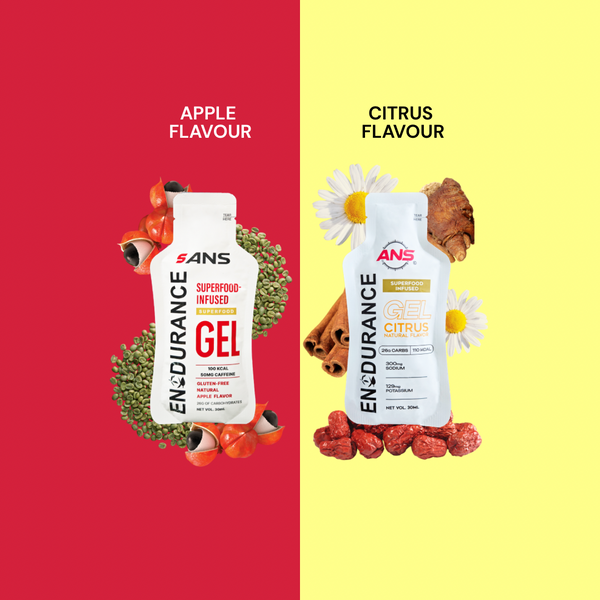
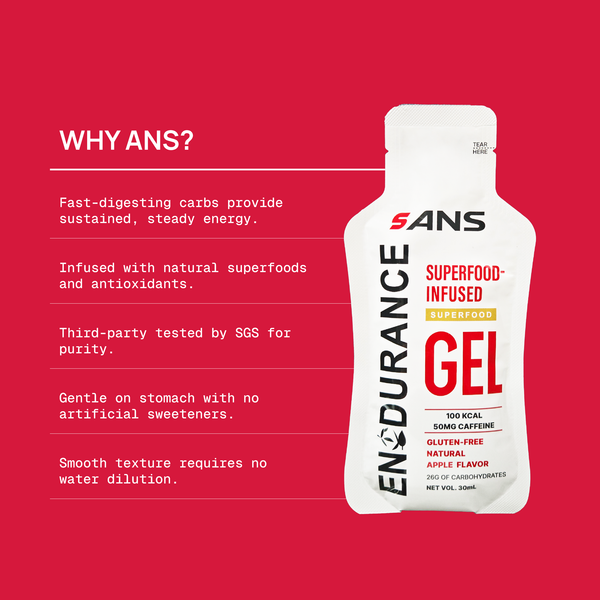
 Apple Superfood Energy Gel
$42
 Citrus Superfood Energy Gel
$42
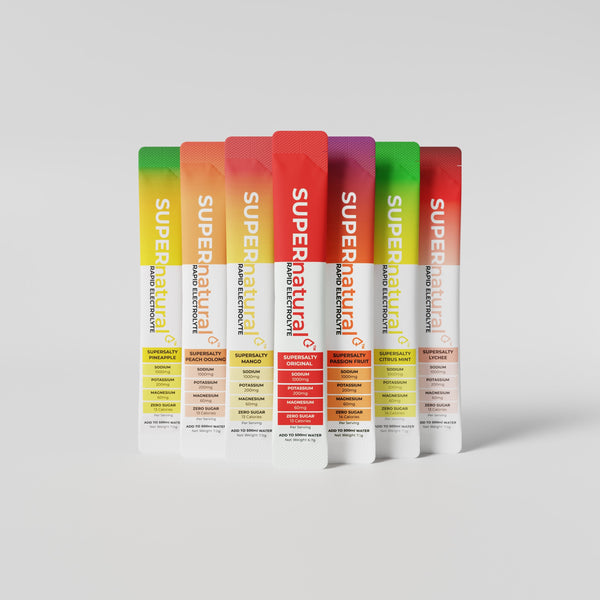
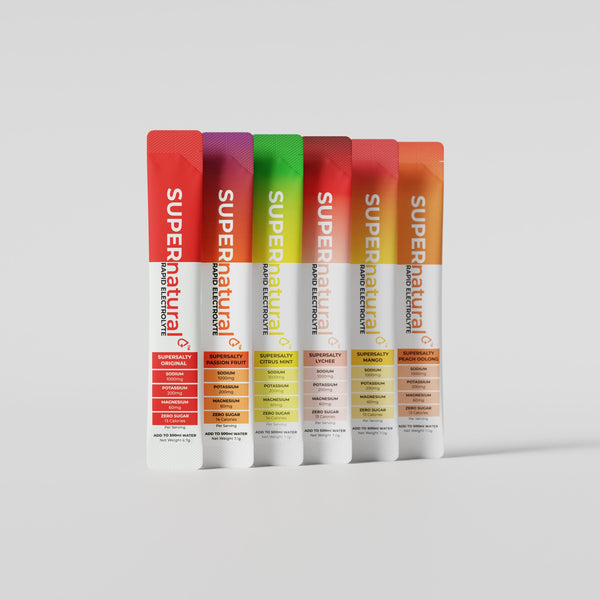
 Rapid Electrolytes
From $24
 500ml
$17
7 / 8
The Short Version
- Runs of about an hour need little or no fuel. For two to three hours, work up to about 60g of carbs an hour.
- With 26g ANS gels, 60g an hour is a gel about every 25 minutes. Take the first one early, before you feel empty.
- Practise on your long runs. Your gut needs training too, especially in Singapore's heat.
The first hour of your Sunday long run feels easy. Somewhere past 90 minutes, the pace you were holding without a second thought starts to bite, and the last few kilometres home along the park connector feel twice as long as they should.
If your training has been going well, look at your fuelling before you blame your fitness. Here is how many carbs to take, when to take them, and how to practise so race day holds no surprises.
Carbs Per Hour at a Glance
| How long you are out | Carbs per hour | In 26g ANS gels |
|---|---|---|
| About an hour | Little or none; a carbohydrate mouth rinse can help | None needed |
| One to two hours | Start small and build towards the next row | One gel an hour gets you close to 30g |
| Two to three hours | Up to about 60g | A gel about every 25 minutes |
| Ultra distances | About 90g, from a blend of carbohydrate types | Mix your sources; check the label |
How Much to Take: Let the Clock Decide
The numbers above come from sports scientist Asker Jeukendrup's 2014 review, which sets carbohydrate targets by how long you are out for. The harder your muscles work, the more they depend on carbohydrate, and the advice is the same for runners and cyclists.
Why 60g Is the Ceiling for Most Runs
That is roughly the most your body can use from a single type of carbohydrate. Going to 90g only works with a blend, such as glucose with fructose, so the extra does not build up in your gut.
Two Caveats
If your long runs are easy and slow, you burn less carbohydrate, so you need less. And a five-hour marathoner is unlikely to need 90g an hour, because that could come close to everything they burn at that pace.
For the science behind the ceiling, read our guide to how many carbs you actually need per hour of exercise.
Look at your fuelling before you blame your fitness.
Turning Grams Into Gels
Drinks, gels and low-fibre bars all count, and the choice comes down to what you like. Gels are simply the easiest to count. Each ANS Superfood Energy Gel carries 26g of carbohydrate, which is what the table above is built on.
Pick your flavour with the run in mind. The Apple gel gets its caffeine from guarana, while the Sour Citrus gel is caffeine-free. You can compare carbs and price per serving for every gel ATHLO+ stocks in the Nutrition collection.
Timing: Do Not Wait Until You Feel Empty
It is tempting to hold off until the run starts to feel hard. By then you are playing catch-up.
- Start Early: Take your first gel in the opening part of the run, while you still feel fresh.
- Keep It Regular: Set a repeating alert on your watch and take smaller doses on schedule, rather than a big hit whenever you remember.
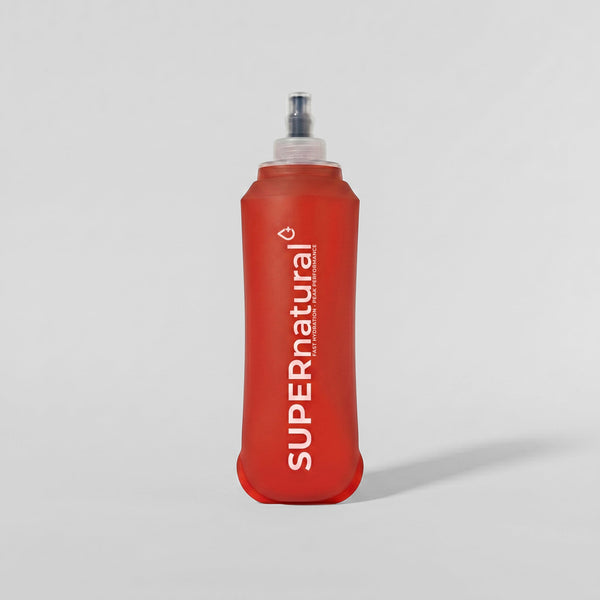
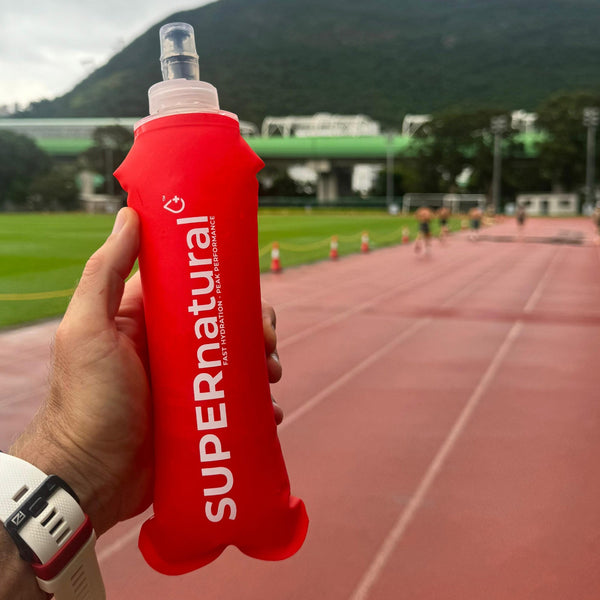
- Carry Water: Solid food and very concentrated carb drinks can slow down how much fluid you absorb. A soft flask like the 500ml SUPERflask shrinks as you drink, which stops the sloshing.
Train Your Gut Like You Train Your Legs
Your gut adapts to what you ask of it. Stomach problems are more likely in hot weather and when you are dehydrated, which on a humid Singapore morning is most mornings. Fibre, fat and very concentrated carb drinks are the usual culprits.
- Rehearse Race Day: Use the same gel, flavour and timing on your long runs that you plan to use in the race.
- Build Up Gradually: Raise the amount a little at a time across several long runs, so your stomach is used to it before race day asks for more.
- Do Not Forget Sodium: SUPERnatural+ SUPERsalty puts 1,000mg of sodium in a single sachet, sized for one 500ml SUPERflask.
Fuel Your Long Runs with ATHLO+
You can build your whole long-run kit on ATHLO+: ANS gels by the box or as the Apple and Citrus variety bundle, SUPERsalty electrolytes and the SUPERflask to carry them. Need somewhere to run? Our guide to running routes in Singapore has routes to try, and if you are racing in December, our BYD Singapore Marathon guide covers race weekend.
Ready to sort your sodium as well as your carbs? Read Electrolytes 101 next.
Sources
- Jeukendrup A. A Step Towards Personalized Sports Nutrition: Carbohydrate Intake During Exercise. Sports Medicine, 2014. The one-to-two-hour row in the table is our guidance between its bands.
- Jeukendrup A. Training the Gut for Athletes. Sports Medicine, 2017.
- Product details from the ANS, SUPERsalty and SUPERflask pages on ATHLO+, 2 November 2026.
Shop this story

More from Learn
 ANS Nutrition
Your First Half Marathon: The Complete Race-Day Fuelling and Nutrition PlanWhat to eat the night before, when to have breakfast before a 4:30am flag-off, how many gels to...Read →
 Running
SGIM Race Week, Day by Day: From Easy Runs to Race MorningA day-by-day plan for SGIM 2026 race week, from Monday 30 November to race morning: easy runs, carb...Read →
 Recovery
11.11 Sale Singapore 2026: Therabody, Running and Recovery DealsWhen the ATHLO+ 11.11 sale starts, what is on sale, the bundles and how members get in early....Read →